
TomasM
Worn Out 'F5' Key
- MBTI
- INFJ
Telepathy Tapes S2:E6 - Psychedelics and Accessing Consciousness
Children were lost in the Amazon rainforest for weeks [after an airplane crash] when a shaman used Ayahuasca to find them in one day by expanding his consciousness to be one with the rainforest. He used the senses of all the biology within the jungle and it led him to the children.Summary: This episode blends Indigenous knowledge, historical analysis, and modern science to argue that psychedelics are both:
- A therapeutic breakthrough for mental health, and
- A re-emerging pathway to expanded consciousness and spiritual connection
Disclaimer: This material is provided for educational and informational purposes only. It discusses psychedelics, which may be illegal in certain jurisdictions and can carry physical and psychological risks. This content is not intended as medical, legal, or therapeutic advice. Always consult a qualified professional and follow applicable laws before considering any related practices.
Section Summary:
1. Introduction: Expanding the Inquiry into Consciousness
The episode builds on prior discussions of telepathy and plant communication by shifting focus to psychedelics as tools for accessing expanded states of consciousness. It frames psychedelics not just as substances, but as historical and cultural gateways to intuition, perception, and connection with a broader “collective field.”2. Case Study: Amazon Rescue and Indigenous Knowledge
A central story recounts the 2023 rescue of four children lost in the Amazon. While military efforts failed, an Indigenous shaman used ayahuasca (yage) in a ceremonial context to locate them.- The shaman describes entering a state of shared consciousness with the jungle.
- He claims to perceive through animals and nature itself.
- The children were found shortly after his guidance.
3. Indigenous Perspective: Psychedelics as “Technology”
Indigenous leaders frame psychedelics as:- Ancestral technology for accessing spiritual realms
- A means of communicating with ancestors
- A tool for navigating life, death, and cosmology
4. Historical Context: Psychedelics in Ancient Civilizations
The episode challenges the assumption that psychedelics are limited to Indigenous cultures by presenting evidence from:- Ancient Greece (Dionysian rituals)
- The Eleusinian Mysteries (Kykeon potion)
- Archaeological findings of psychoactive substances (ergot, cannabis, opium)
5. Loss of Western Traditions
The decline of psychedelic practices in the West is attributed to:- Roman Christianization
- Destruction of pagan temples (e.g., Eleusis)
- Suppression of ritual knowledge
6. Global Continuity of Psychedelic Use
Despite Western suppression, psychedelic traditions persisted globally:- Africa (Iboga, Kanna)
- Asia (Amanita muscaria, Soma)
- Americas (ayahuasca, peyote, mushrooms)
7. Modern Therapeutic Use: Mental Health Breakthroughs
The episode shifts to contemporary research showing psychedelics’ effectiveness in treating:- PTSD
- Depression
- OCD
- Addiction
- The importance of preparation and integration
- The role of trained facilitators
8. Mechanism: Neuroplasticity and Cognitive Reset
Psychedelics are compared to:- Breaking rigid mental loops (e.g., OCD patterns)
- “Resetting” brain pathways rather than gradually altering them (like SSRIs)
9. Spiritual Experiences in Clinical Settings
Even in controlled medical environments, participants report:- Feelings of unity and oneness
- Encounters with deceased loved ones
- A sense of connection to a greater reality
10. Tension: Medical vs. Spiritual Frameworks
A key theme is the mismatch between:- Western medical models (focused on symptoms)
- Psychedelic experiences (often existential or spiritual)
11. Suppression and Survival of Knowledge
The transcript highlights that:- Women historically preserved psychedelic knowledge (herbalists, “witches”)
- Witch trials and persecution targeted these knowledge keepers
- Some traditions may have survived underground
12. Core Thesis: Rediscovering a Lost Human Tradition
The episode’s central argument:- Psychedelics are not new—they are part of humanity’s deep past
- They were once integrated into ritual, healing, and community life
- Modern society is “remembering” rather than discovering them
13. Broader Implication: Consciousness Beyond the Individual
The episode ultimately suggests:- Consciousness may be shared or interconnected
- Psychedelics could provide access to this broader field
- Human beings have an inherent drive to explore beyond material reality


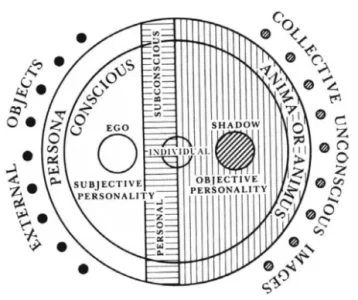

 KEY CONCEPTS IN THIS VIDEO