
Fruiteloop
Community Member
- MBTI
- INFP
- Enneagram
- 7
Think of HeMan and Conan The Barbarian.
These were or are ancient themes like the valkyries and Valhalla.
Thundercats was made in the 1980s when masculinity was very important as how it was portrayed the way it was on American TV.
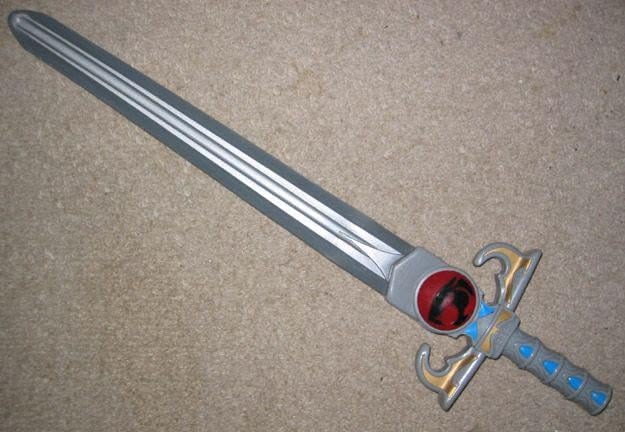
Liono the leader has a sword which has the eye of thundera. This looks like a viking sword.
Their planet is blown up and they travel in space to third earth as a clan. They have a home base / looks like a temple like architecture.
The spaceship they press buttons and enter math calculations into the computer to make a trajectory towards third earth. They get put in hibernation chambers.
Since it took great amounts of intelligence to make swords thundercats are big creatures over 6 feet tall. You heat and fold the metal powder.
Also because they are intelligent they can pilot and create spaceships in the first place.
In a society of big tall muscular intelligent cats you need less of an economy the way we have today. Everything is handcrafted like swords and spacecraft.
This makes things into what is known as an honor culture. Such as in Japan with the Samurai and the Warrior race of Klingons in Star Trek.
So everyone has to pull their own weight so to speak. This is adapted from Scandinavian ancient times into thundercats as a heroic archetype.
By working together they fight against dark forces to try and rebuild their planet later on to go home.
The creators of thundercats must have known about these themes because they are shown to the public audience of kids.
ThunderCats Intro (1985)
These were or are ancient themes like the valkyries and Valhalla.
Thundercats was made in the 1980s when masculinity was very important as how it was portrayed the way it was on American TV.
Liono the leader has a sword which has the eye of thundera. This looks like a viking sword.
Their planet is blown up and they travel in space to third earth as a clan. They have a home base / looks like a temple like architecture.
The spaceship they press buttons and enter math calculations into the computer to make a trajectory towards third earth. They get put in hibernation chambers.
Since it took great amounts of intelligence to make swords thundercats are big creatures over 6 feet tall. You heat and fold the metal powder.
Also because they are intelligent they can pilot and create spaceships in the first place.
In a society of big tall muscular intelligent cats you need less of an economy the way we have today. Everything is handcrafted like swords and spacecraft.
This makes things into what is known as an honor culture. Such as in Japan with the Samurai and the Warrior race of Klingons in Star Trek.
So everyone has to pull their own weight so to speak. This is adapted from Scandinavian ancient times into thundercats as a heroic archetype.
By working together they fight against dark forces to try and rebuild their planet later on to go home.
The creators of thundercats must have known about these themes because they are shown to the public audience of kids.
ThunderCats Intro (1985)
Last edited: